• Skip to primary navigation
  • Skip to main content
  • Skip to primary sidebar
  • Skip to footer
Dinner Tonight

Dinner Tonight

Healthy Cooking for a Healthy Texas

  • Email
  • Facebook
  • Instagram
  • Pinterest
  • Twitter
  • YouTube
  • Home
  • Recipes
  • Store
  • Healthy Cooking Tips
    • How To
    • Food Safety
  • Family Mealtime
  • Meet the Team
  • Events

Food Safety

After a flood: Discard
All About Beef
All About Chicken
All About Pasta
All About Shrimp
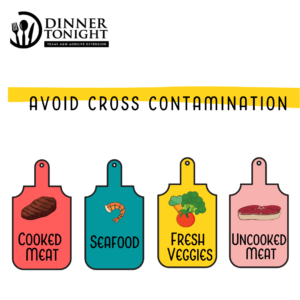
Avoid Cross Contamination
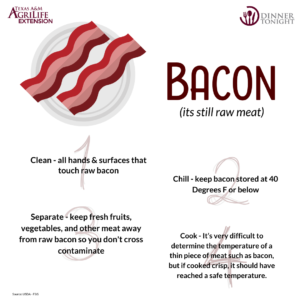
Bacon
Bento Box
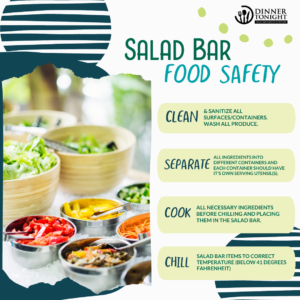
BYO Salads
Canned Food Safety
Carving Pumpkins Knife Safety
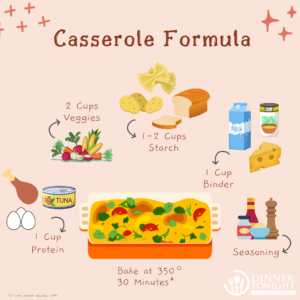
Casserole
Chocolate
Coffee
Cookie Making Tips
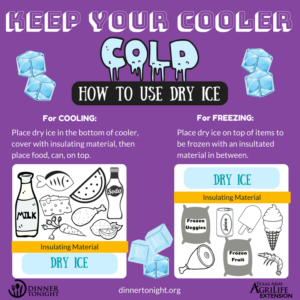
Keep Your Cooler Cold Dry Ice
Finger Food Etiquette
food claims
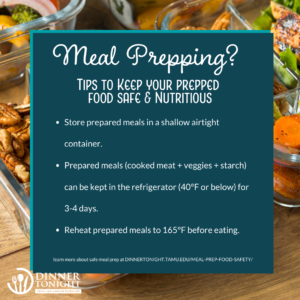
Food Safety – Keep Your Weekly Prepped Meals Fresh and Safe
Food Safety – The Egg Inspection Process
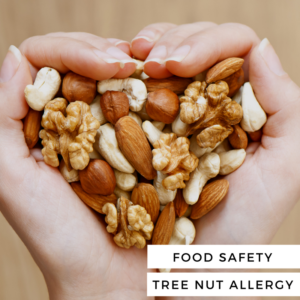
Food Safety – Tree Nut Allergy
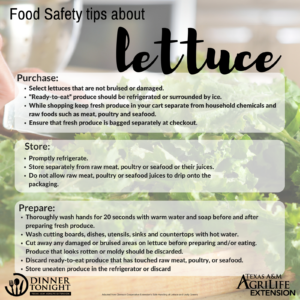
Additional Safety Practices for Preparing All Types of Lettuces Purchasing: Select lettuces that are not bruised or damaged. “Ready-to-eat” produce should be refrigerated or surrounded by ice. While shopping keep fresh produce in your cart separate from household chemicals and raw foods such as meat, poultry and seafood. Ensure that fresh produce is bagged separately at checkout. Storing: Promptly refrigerate. Store separately from raw meat, poultry or seafood or their juices. Do not allow raw meat, poultry or seafood juices to drip onto the packaging. Preparing: Thoroughly wash hands for 20 seconds with warm water and soap before and after preparing fresh produce. Wash cutting boards, dishes, utensils, sinks and countertops with hot water. Cut away any damaged or bruised areas on lettuce before preparing and/or eating. Produce that looks rotten or moldy should be discarded. Discard ready-to-eat produce that has touched raw meat, poultry, or seafood. Store uneaten produce in the refrigerator or discard Food safety and lettuces
Food Safety: Back to School Food Safety
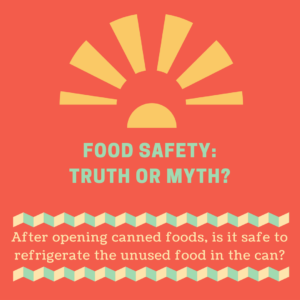
Food Safety: Truth or Myth?
Freezer Success
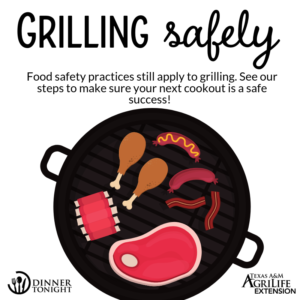
Grilling Safely
Guacamole Food Safety
Honey
How to Boil Chicken
How to Remove Strings from Peas
How to Sanitize your Kitchen after a Flood How to Sanitize your Kitchen after a Flood
Kale
Kitchen Knife Safety
Make your Valentine’s Day Dinner Romantically Safe!
Milk
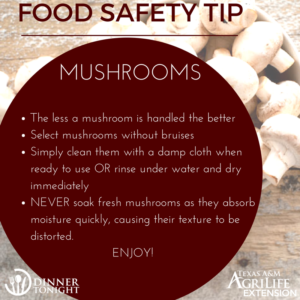
The less a mushroom is handled the better Select mushrooms without bruises Simply clean them with a damp cloth when ready to use OR rinse under water and dry immediately NEVER soak fresh mushrooms as they absorb moisture quickly, causing their texture to be distorted. Mushrooms
No Double Dipping
Onions
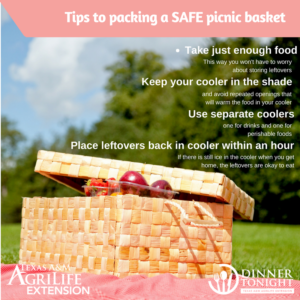
Tips to packing a safe picnic basket - Take just enough food - Keep your cooler in the Shade - Use separate Coolers for meat and produce - Place leftovers back in the cooler within an hour Picnic Safety
Preventing Freezer Burn
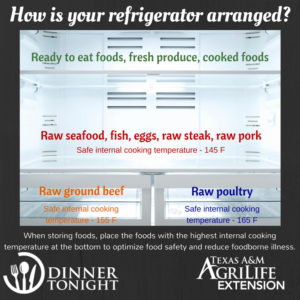
Refrigerator Safety
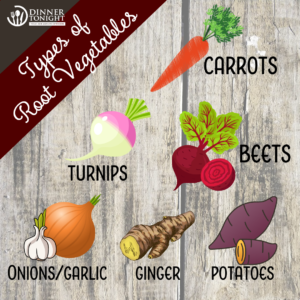
Root Vegetables
Safely Storing Food
Safely Thawing a Turkey
Salmonella
Seafood Food Safety Tips
Six Easy Steps for Lunch Box Food Safety
Slow Cooker Calibration
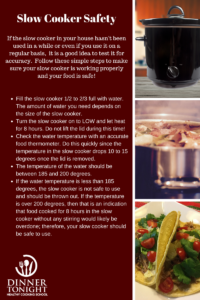
Slow Cooker Safety
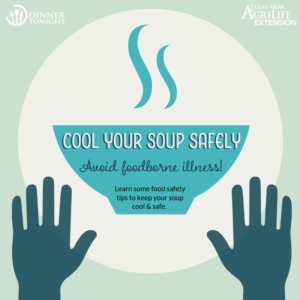
soup food safety
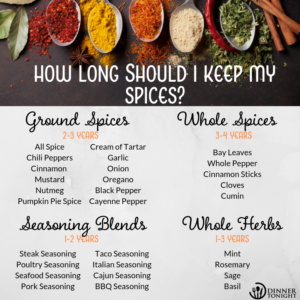
Spices, Do they Expire?
Storing Berries
Storing Leftovers Safely
Sushi Safety
What Not to put Down the Drain
Newest Recipes

  • Coconut Watermelon Zing
  • Egg Salad Veggie Wrap
  • Peanut Butter Wraps
  • Runzas
  • Al Pastor Chickpea and Cauliflower Tacos

Recipes to Try

  • Main Dishes
    • Beef Recipes
    • Chicken Recipes
    • Turkey Recipes
    • Pork Recipes
    • Seafood Recipes
    • Vegetarian Recipes
    • Salad Recipes
  • Side Dish Recipes
  • Snack Recipes
  • Dessert Recipes
  • Kid Friendly Recipes
  • All Recipes

Sign up for our newsletter to get new recipes & tips!

Sign Up Now

AgriLife Extension logo

  • Compact with Texans
  • Privacy and Security
  • Accessibility Policy
  • State Link Policy
  • Statewide Search
  • Veterans Benefits
  • Military Families
  • Risk, Fraud & Misconduct Hotline
  • Texas Homeland Security
  • Texas Veterans Portal
  • Equal Opportunity
  • Open Records/Public Information
Texas A&M University System Member