In the upcoming weeks one of the greatest seasons of the year will be starting…football season! Which means friends, family, and of course food! Here is a simple and healthy beef fajita recipe to help keep your tailgate or backyard watching party safe and healthy.
Charcoal vs. Gas Grilling: Which grill type is right for you?
BBQ season is approaching! Which brings the opportunity for everyone to break out their grills and gather with friends and family! If you are looking to buy a new grill or just wondering which grill is the best option for you, here are a few things to consider.
- Cost: Charcoal and gas grills can range in price and size. Most charcoal grills are less expensive than gas grills. Although if you plan on cooking often on the grill, gas grills can be quite manageable with only needing to purchase propane. Charcoal grills are less expensive to purchase but can add up in cost with charcoal and lighter fluid.
- Flavor: Sometimes it comes down to flavor. This is a personal preference, gas grills provide a flavor more consistent with high heat, while charcoal depending on if you use briquettes or wood can give a smokier flavor. Just remember to reduce flare-ups on both gas and charcoal grills by moving foods with fat to another part of the grill or reduce the heat.
- Portability: First ask yourself how will I use the grill? If you plan on taking the grill just for tailgating, camping, or for other outdoor occasions, charcoal may be the best option. Charcoal grills come in very convenient and portable sizes. Gas grills that are portable are very expensive and may not be worth the cost for the occasion.
In the end it really depends on how much you want to spend, the flavor, and if you need something portable. Either way both grill types are a good option and will help make your tailgating or outdoor grilling a fun and memorable experience. Just remember to be safe when grilling any food for any occasion. No matter what type of grill you use, always grill outside in a well-ventilated area. Never use alcohol, gasoline, or kerosene on a grill; use lighter fluid which is made specifically for use with charcoal grills. Here are our best tips to help you make your grilling outdoors safe.
Looking for more information on grilling safety? Check out this video before you go to your next BBQ or tailgate!
Lemon-Blueberry Salad
This easy and fresh recipe for Lemon-Blueberry Salad, which features spinach, kale, and blueberries, is the perfect quick side dish for those busy back-to-school nights.
It includes a bright and flavorful, “make-your-own-dressing” and includes a healthful variety of fruits and vegetables. It’s easy and simple that you can make it any night of the week, and delicious enough for weekend entertaining.
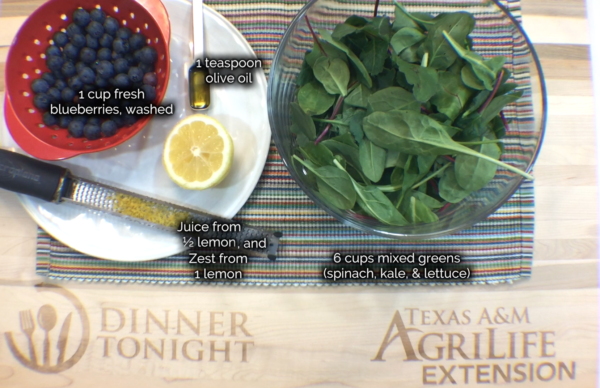
- 6 cups mixed greens (spinach, kale, and lettuce) pre-washed
- 1 teaspoon olive oil
- juice of 1/2 lemon
- Zest of 1 lemon
- 1 cup fresh blueberries washed
- 6 tablespoons goat cheese crumbled
- Wash your hands and clean your food preparation area.
- Wash all produce and fruits before preparing the salad.
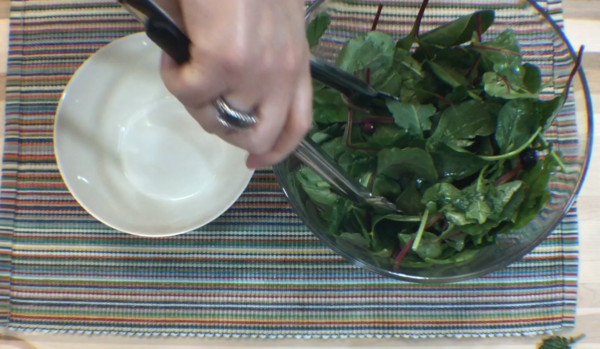
- Place the mixed greens in a bowl. (If you don’t have mixed greens, use what greens you have on hand.)

- Toss with olive oil, lemon zest, lemon juice, and blueberries.

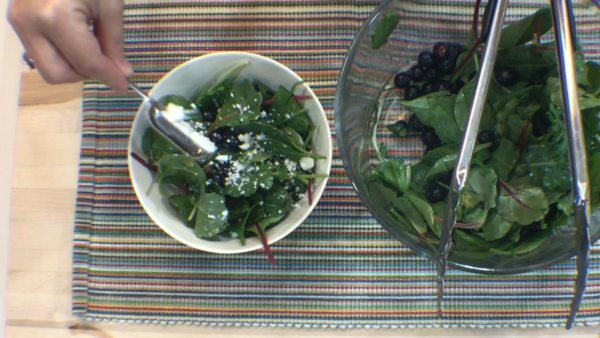
- Divide among 6 servings and top each serving with 1 tablespoon of goat cheese.


Food Safety: Back to School Food Safety
It’s time to get ready for back to school! While you start planning on what to put inside you or your child’s lunchbox, don’t forget to keep that food safe. According to the CDC, almost 50% of the Salmonella infections that happen each year happen to infants and school-age children. Keeping food safety in mind while preparing and packaging lunch boxes can greatly reduce food poisoning. Here are a few tips that can help make sure that food is packed safely:
Clean, Cook, Separate, Chill:
- Clean: If you’re making lunch the night before, be sure to wash your hands and use clean cutting boards, utensils, and countertops. Making lunch on the same surfaces you used to prepare raw meat or poultry for dinner may result in cross-contamination and lead to Salmonella-related illnesses.
- Separate: Use one cutting board for fresh produce and a separate one for meat and poultry.
- Cook: Cook foods to the right temperature using a food thermometer.
- Chill: If the lunch contains perishable food items like luncheon meats, eggs, and yogurt, make sure to pack it with at least two cold sources (e.g. freezer packs and frozen water bottles).
Easy Tips to Pack a Safe Lunch:
- Frozen juice boxes can also be used as freezer packs. By lunchtime, the juice should be thawed and ready to drink!
- Perishable food can be unsafe t o eat by lunchtime if packed in a paper bag. Use an insulated box or bag instead.
- Children should wash their hands for 20 seconds with warm soapy water before eating. Have them sing the ABCs twice while washing if they sometimes finish early.
- If possible, your child’s lunch should be stored in a refrigerator. But leave the lid of the lunchbox or an insulated, soft-sided bag open in the fridge so that cold air can circulate and keep the food cold.
- If you’re packing a hot lunch, like soup, chili, or stew, use an insulated container to keep it hot. Fill the container with boiling water, let it stand for a few minutes, empty it, and then put in the piping hot food. Tell your child to keep the insulated container closed until lunchtime to keep the food hot- 140º or above.
- After lunch, discard all leftover food, used food packaging, and paper bags. Do not reuse packaging because it could contaminate other food.
Download this food safety infographic from www.FoodSafety.gov and keep it handy to help make sure that you or your child are eating a lunch that is safe as well as healthy!
Tips & Tricks: How to Make Lemon Zest
How often have you made a recipe that called for lemon zest? Did the recipe have a little too much tang? Well in today’s tips and tricks, we show you how to zest lemons the right way.
Lemon zest is a great way to add a burst of lemon flavor to many of our favorite recipes. Here are a few tips to getting a great zest from a lemon!
First, wash lemons under cool running water and scrub the surface with a soft bristle vegetable brush.
Then using a rasp, grate just the skin of the lemon. Don’t over zest your lemons! The white pith of the lemon will result in your zest being bitter or too tangy!
If you plan on using the whole lemon in a recipe, always grate your lemon before you cut the lemon.
Zesting lemons is a good way to use most of your lemon in a recipe!